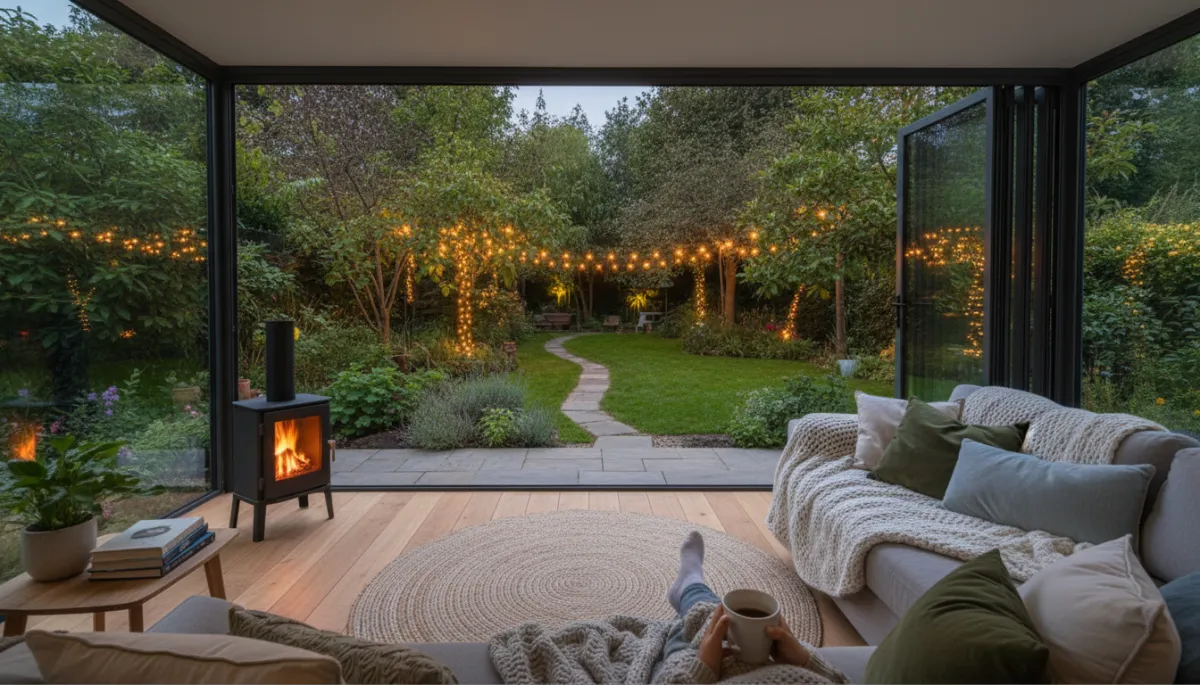
Can You Sleep in a Garden Room? Practical Guide
Home & Garden, Garden Room, Home Extension
Can You Sleep in a Garden Room? A Friendly, Practical Guide
If you have ever stood at your back door, cup of tea in hand, and wondered whether that beautiful garden room could double up as a cosy bedroom, you are not alone. In this guide, we will explore when you can sleep in a garden room, what the rules are, and how to make it a comfortable, safe and stylish space that genuinely enhances your home.
So, can you actually sleep in a garden room?
The short answer is: yes, you can sleep in a garden room, but there are a few important conditions. Many people use a garden room as a guest bedroom, teenage den, hobby space that occasionally hosts overnight visitors, or even a peaceful retreat for themselves. As long as the building is designed and constructed to the right standards, sleeping in it can be just as comfortable and safe as sleeping in your main house.
The key distinction is between a casual nap on the sofa and using the garden room as a permanent bedroom or self-contained dwelling. Occasional overnight stays are usually fine, whereas regular, full-time living may trigger different rules. Understanding this difference will help you plan your space with confidence and stay on the right side of building regulations and planning law in the UK.
💡 Friendly tip: Before you commit to using a garden room as a bedroom, check what your local council says about outbuildings and sleeping accommodation. A quick phone call or website check can save you a lot of hassle later. If you are unsure where to start, a reputable local builder such as NG2 Garden Studio Co. can also talk you through the basics and point you towards the right guidance.
What is a garden room, exactly?
A garden room is a freestanding building in your garden, separate from the main house, designed for year-round use. Unlike a flimsy shed or basic summerhouse, a modern garden room is typically insulated, double-glazed and wired for electricity, making it a genuinely comfortable space in all seasons. Many homeowners choose neutral finishes, soft greens and natural woods so the building blends beautifully with the garden and complements their existing home.
Garden rooms can be used for almost anything: a home office, yoga studio, craft room, music space, playroom, or extra lounge. Increasingly, people are asking whether they can turn them into occasional or even regular sleeping spaces, especially as house prices rise and families look for flexible alternatives to a traditional home extension. That is where understanding the benefits and the rules becomes really helpful.
Garden room benefits: more than just extra space
One of the biggest garden room benefits is the sheer flexibility it offers. Instead of committing to bricks-and-mortar building work, you can create a calm, light-filled room at the end of the garden with far less disruption. For many households, it feels like gaining a new wing of the house — just with birdsong and greenery right outside the door.
Flexible use: Office by day, guest bedroom at the weekend, quiet retreat whenever you need a moment to yourself.
Less disruption than a home extension: Most of the work is outside, so your main house stays calm and liveable while the garden room is built.
Connection with nature: Waking up to garden views, birds and morning light is a real mood booster, especially if you work from home or live in a busy household.
Potential value add: A well-designed garden room can make your property more attractive to buyers, particularly if it can double as a sleeping space.
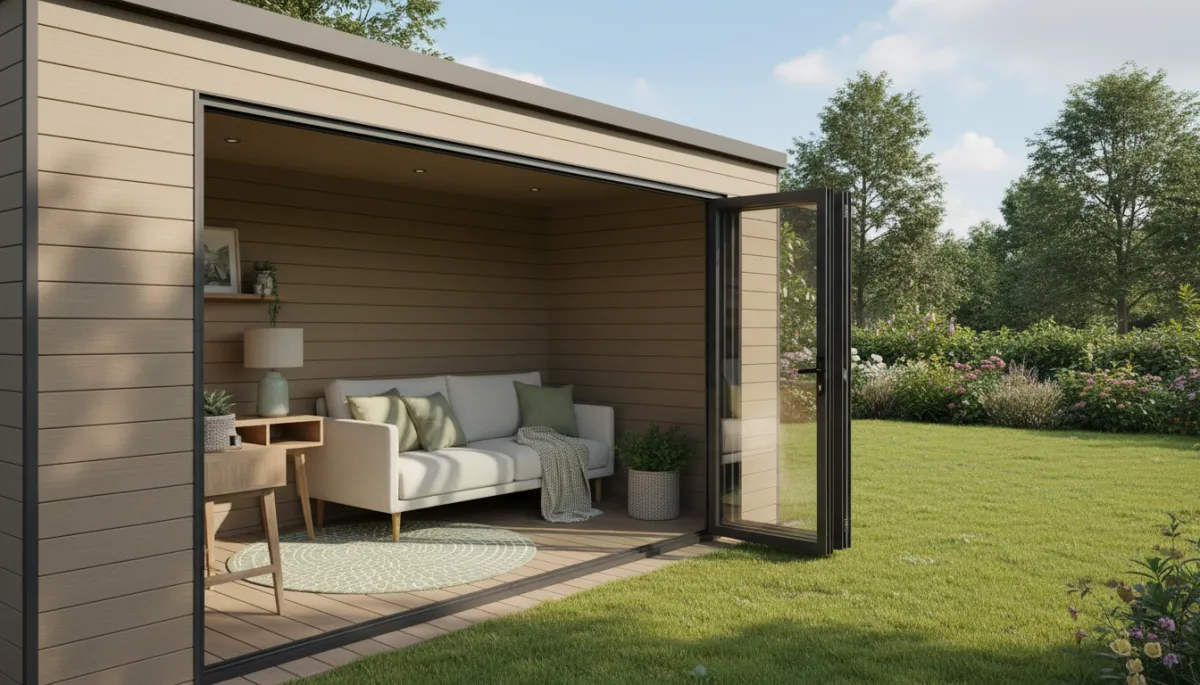
A flexible garden room can switch from workspace to guest bedroom in minutes.
Garden room vs home extension: which is better for sleeping space?
When you need extra sleeping space, the traditional answer has been a brick-built home extension — perhaps a loft conversion or an extra bedroom over the garage. While this can be brilliant, it is not the only option. A garden room offers a different kind of solution, and for many households it feels more achievable, especially in the short to medium term.
Disruption
One of the biggest advantages of a garden room is the minimal disruption during construction. Because the building is constructed almost entirely outside your home, your day-to-day routine can continue with little inconvenience. A home extension, however, requires extensive work inside and outside the property, often affecting kitchens, living areas, and access throughout the build.
Build Time
If you're looking to create extra living space quickly, a garden room is often the faster solution. Most bespoke garden rooms can be completed within a few weeks, allowing you to enjoy your new space sooner. By comparison, a home extension can take several months or longer due to more complex construction, approvals, and internal renovation work.
Planning Requirements
Many garden rooms can be built under permitted development rights, provided they meet the relevant size, height, and usage requirements. This can simplify the approval process and help your project get underway more quickly. In contrast, home extensions are more likely to require full planning permission and building regulation approvals, which can increase both the project timeline and overall cost.
Lifestyle & Flexibility
A garden room creates a peaceful, dedicated space away from the distractions of the main house, making it ideal as a garden office, home gym, creative studio, or guest room. A home extension expands your existing living space, creating a seamless addition to your home's layout. The right choice depends on whether you value a separate retreat or a larger integrated home.
If you love the idea of a calm, self-contained retreat and you are happy with a short walk across the garden, a garden room can be a wonderfully inviting place to sleep. If you need a fully integrated extra bedroom for everyday family life, a traditional home extension might still be the better choice. Many homeowners actually choose both over time: an extension for core bedrooms and a garden room for flexible, occasional sleeping and relaxation.
Regulations and safety: what you must know before sleeping in a garden room
When it comes to sleeping in a garden room, safety and regulations are the most important considerations. In the UK, most garden rooms are classed as outbuildings and can be built under permitted development, provided they are not used as separate, self-contained living accommodation. That means not a fully independent annex with its own kitchen and front door without going through the proper planning and building control routes.
Occasional sleeping: Using the garden room as a guest bedroom from time to time is usually acceptable, as long as the building is safe, properly insulated, and wired by a qualified electrician.
Regular or permanent sleeping: If someone will be sleeping there most nights, it is wise to speak to your local council and ensure the structure meets relevant building regulations, particularly for insulation, fire safety and escape routes.
Services and facilities: Adding a shower room or kitchenette can change how your garden room is classified, so always get proper advice before you build.
⚠️ Safety first: Always include smoke alarms, suitable heating and safe electrics in any garden room that might be used for sleeping. Make sure there is a clear escape route and that doors and windows are easy to open from the inside. A specialist installer such as NG2 Garden Studio Co. will also be able to talk you through practical safety features they routinely build into sleep-friendly spaces.
Making a garden room truly comfortable for sleeping
Once you have checked the rules and you know your garden room is suitable, the fun really begins. Turning it into a cosy sleeping space is all about comfort, warmth and atmosphere. With the right touches, it can feel like a boutique hotel room at the bottom of your garden — peaceful, private and beautifully styled in a calm, neutral palette that ties in with the rest of your home.
Insulation and temperature control
Proper insulation is non-negotiable if you want to sleep in a garden room year-round. Look for walls, floors and roofs that are insulated to a similar standard to your main house, along with quality double-glazed doors and windows. This will keep the space warm in winter, cool in summer, and far more energy efficient overall.
Add a programmable electric radiator or underfloor heating for consistent warmth.
Consider blinds or curtains with thermal lining to keep heat in at night and block early morning light if you like a lie-in.
Include opening windows or a small ventilation system to keep fresh air flowing.
Lighting and ambience
Lighting can transform a garden room from a daytime workspace into a tranquil bedroom. Layer your lighting so you have options: bright task lights for reading or working, and softer, warmer lamps for winding down in the evening. Dimmer switches are particularly handy if your garden room has multiple uses.
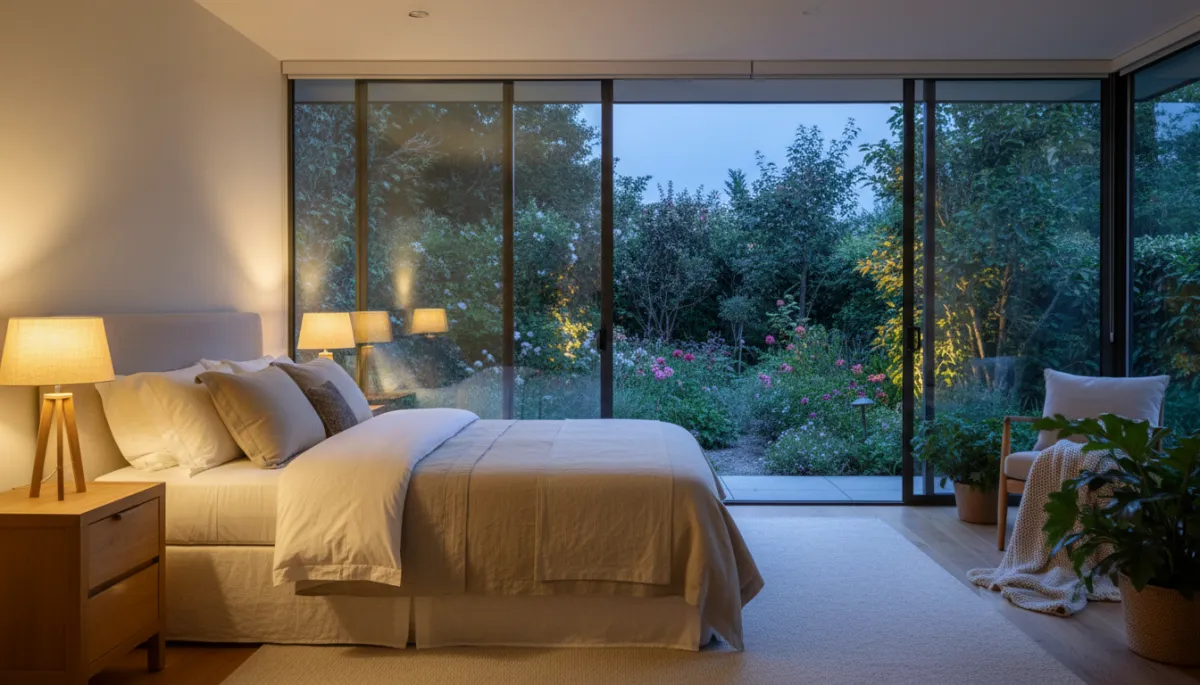
Soft, layered lighting makes a garden room feel instantly bedroom-ready.
Furniture and layout ideas
If you want your garden room to remain flexible, consider furniture that can adapt. A high-quality sofa bed, daybed, or wall bed can provide a generous sleeping surface without permanently giving up floor space. If the room will be used regularly for overnight stays, you might prefer a full-size bed with hidden storage underneath for bedding and towels.
Use slimline wardrobes or wall hooks to give guests somewhere to hang clothes without crowding the room.
Choose a neutral colour scheme with soft greens, creams and natural woods for a calm, garden-inspired feel that suits all visitors.
Add a small bedside table, reading lamp, and a few homely touches such as a rug or throw to make the space feel welcoming.
Practical questions: security, privacy and convenience
Sleeping in a garden room raises a few practical questions, and it is worth thinking these through early on so that the space works smoothly in everyday life. A little planning can make the difference between a room that is rarely used and one that becomes everyone’s favourite place to stay.
Security and peace of mind
Because a garden room is separate from the main house, it is particularly important to fit secure doors and windows. Look for multi-point locking systems and toughened glass. If you already have an alarm system, you might be able to add the garden room as an extra zone, or use smart cameras and sensors for extra reassurance, especially if guests are staying overnight.
Privacy and access
Think about how people will walk to and from the garden room, particularly at night. Simple path lighting, non-slip surfaces, and a clear route from the house to the room will all make it feel more comfortable and safe. Inside, blinds or curtains are essential for privacy, especially if neighbouring gardens overlook your plot. Blackout blinds are a good option for anyone sensitive to light.
Toilets, showers and everyday comfort
For occasional guests, a short walk back to the main house for the bathroom is usually perfectly acceptable. If you are planning more regular use, you might want to explore adding a small cloakroom or shower room. This is where the line between a simple garden room and a full annex starts to blur, so it is essential to get professional advice on drainage, ventilation and building regulations before you go ahead.
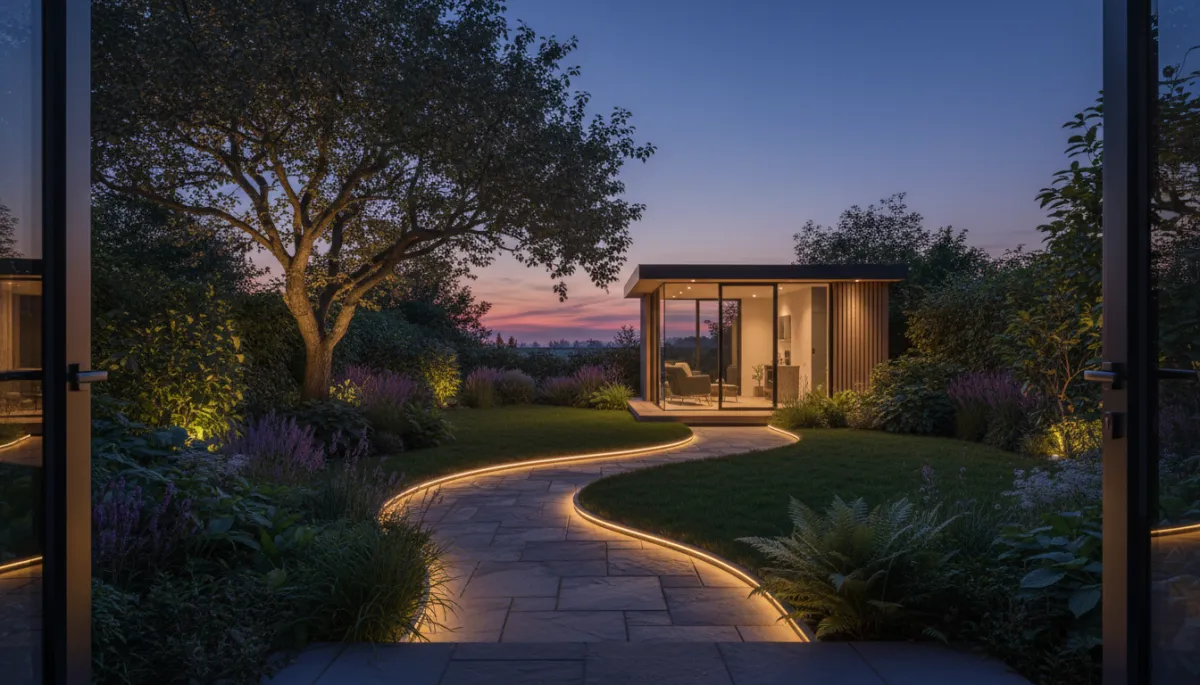
Good lighting and a clear path make night-time trips to the garden room easy.
Who might benefit most from a sleep-friendly garden room?
A garden room that can be used for sleeping opens up all sorts of possibilities for different households. It is one of those garden room benefits that only really sink in once you start using the space in real life. Here are a few scenarios where it can be especially helpful:
Teenagers and young adults: A garden room offers independence without the cost of renting elsewhere. They can have friends over, play music and study, while still being just a few steps from home.
Guests and relatives: Visiting family can enjoy their own space, with room to unpack and relax, without everyone being on top of each other in the main house.
Shift workers: If someone in the household works nights, a quiet, separate bedroom in the garden can make it much easier to sleep during the day without being disturbed by normal family noise.
Wellness retreats at home: Many people use a garden room for yoga, meditation or reading. Add a comfortable bed, and it becomes the perfect place for a mini retreat without leaving home.
Planning your own sleep-ready garden room
If you are feeling inspired to create a garden room that can double as a bedroom, it helps to start with a clear wish list. Think about who will use the room, how often they are likely to sleep there, and what will make them feel comfortable and welcome. From there, you can decide on size, layout, glazing, and finishes that match the rest of your home and garden.
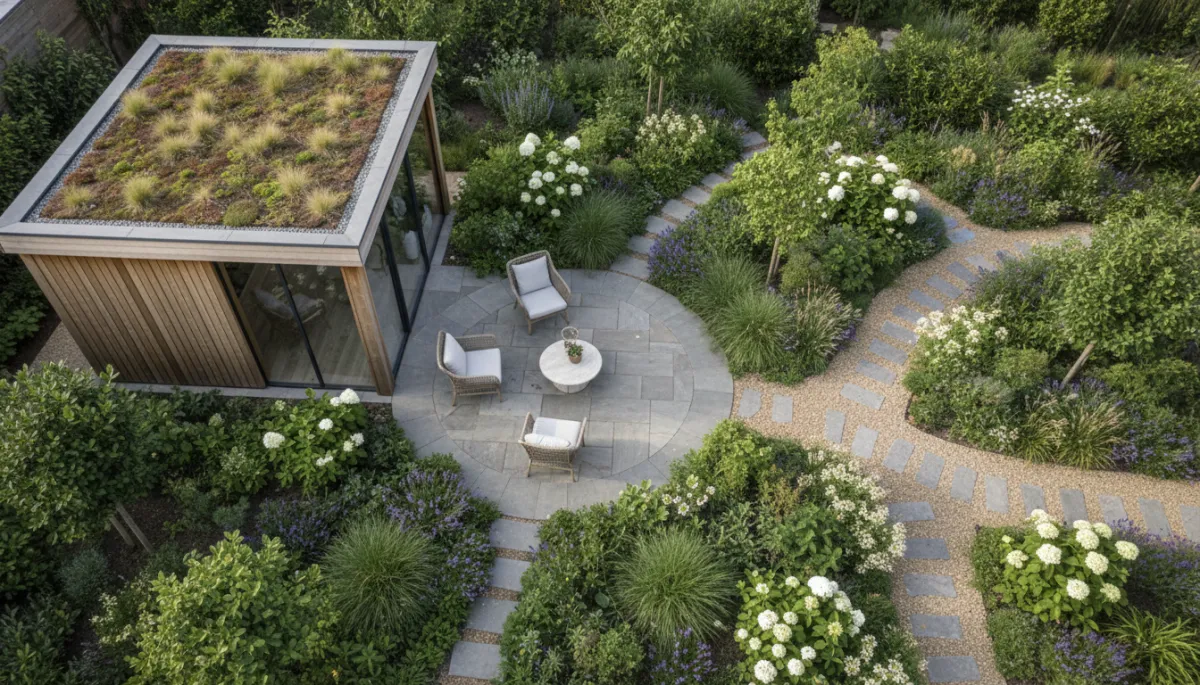
Careful positioning helps your garden room feel private yet connected to home.
Decide where in the garden the room should sit for the best balance of privacy, views and convenience.
Consider the orientation: a south-facing garden room will be bright and warm, while a north-facing one may need more lighting and heating but could be wonderfully calm in summer.
Think about storage, especially if the room will serve several functions. Built-in cupboards or shelves can keep bedding, towels and personal items neatly tucked away.
Bringing it all together
So, can you sleep in a garden room? With the right design, safety measures, and a little planning, the answer is a reassuring YES. A well-built garden room offers many of the benefits of a traditional home extension, with the added charm of being surrounded by nature. It can be a peaceful guest suite, a teenager’s haven, a quiet spot for shift workers, or simply a beautiful place for you to unwind and recharge.
By treating your garden room as a genuine, comfortable living space with proper insulation, heating, lighting, and security, you can enjoy all the garden room benefits while keeping your home flexible for the future. Whether you are weighing it up against a larger home extension or simply looking for a clever way to add a spare bedroom, a thoughtfully designed garden room can be a warm, inviting answer right at the bottom of your garden.
If you are ready to explore what is possible in your own outdoor space, start by imagining how you would like to wake up there: sunlight filtering through the blinds, a view of the garden, and a quiet moment before the day begins. From that picture, you can work backwards to create a garden room that feels every bit as restful and welcoming as a bedroom inside your home, with the added magic of being surrounded by your own slice of nature.
📌 Ready to take the next step? If you would like expert help designing a sleep-ready garden room that works beautifully in real life, NG2 Garden Studio Co. can guide you from first ideas through to a finished, fully insulated space.
To chat through your plans or arrange a no-obligation site visit, get in touch with NG2 Garden Studio Co. today and start turning your garden room sleep sanctuary into a reality.
[Read Next]
Building Regulations Explained
[Find Out]
How Much Does a Garden Room Cost in 2026?
[Learn More]