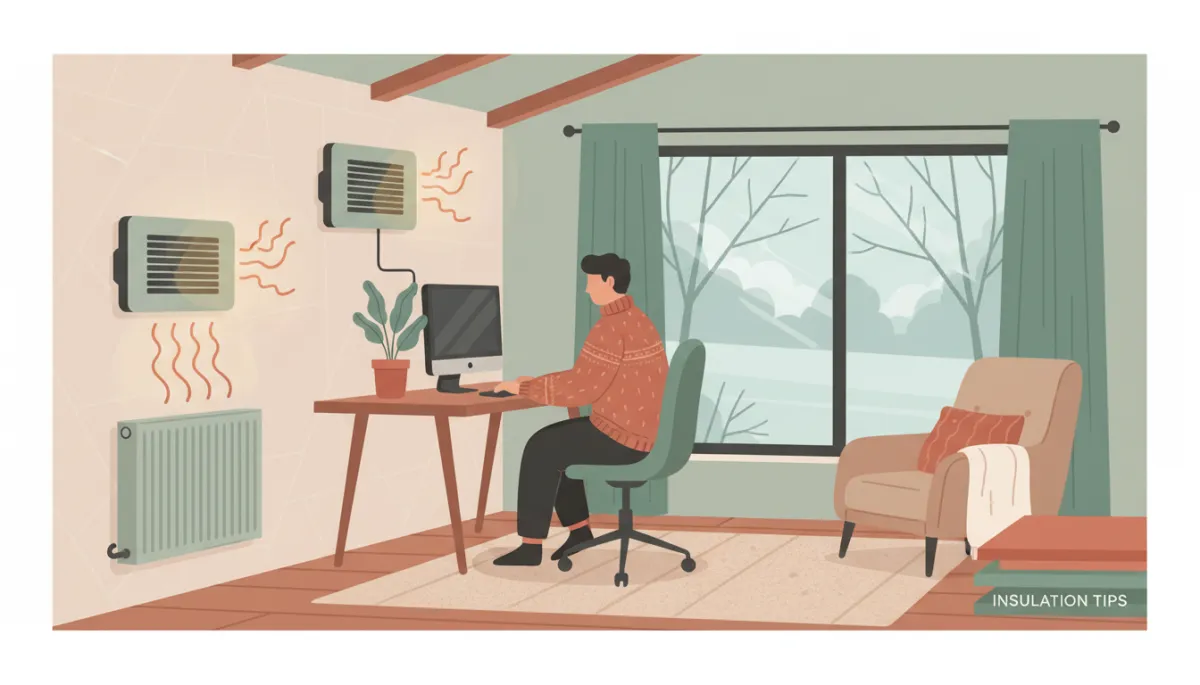
Efficient Heating Ideas for Your Garden Office
Home & Garden, Garden Office Heating, Heat Solutions
How to Heat a Garden Office: Cosy, Efficient Ideas for Year‑Round Comfort
Working from a garden office can feel like the best of both worlds – the focus of a dedicated workspace with the calm of your own garden. But when temperatures drop, that lovely retreat can quickly become a chilly distraction. This guide walks you through practical heat solutions, simple insulation tips, and clever ways to boost workspace comfort so your garden office feels warm and welcoming in every season.
Why Garden Office Heating Matters More Than You Think
When you first step into a brand‑new garden room in spring or summer, heating might feel like an afterthought. But come November, a poorly heated space can leave you shivering at your desk, wrapped in blankets and nursing lukewarm tea. Effective garden office heating is about far more than comfort; it affects your focus, productivity, and even your long‑term health.
Cold fingers on a keyboard, draughts around your ankles and a constant urge to head back into the house are all signs your current setup isn’t working. The good news is that with the right mix of heat solutions and sensible insulation tips, you can turn your garden office into a genuinely cosy, energy‑efficient workspace that feels just as inviting in January as it does in June.
💡 Friendly tip: Aim for a steady temperature of around 18–21°C in your garden office. It’s warm enough for comfort without wasting energy.
Step One: Get the Fabric of the Building Right
Before you even think about radiators or heaters, start with the building itself. Heating an uninsulated garden office is like trying to warm a tent – you’ll constantly lose heat and spend more than you need to on energy. Good insulation is the foundation of any effective garden office heating plan and the key to long‑term workspace comfort.
Essential Insulation Tips for Garden Offices
Insulate walls, floor and roof: A well‑built garden studio should include proper insulation in all three. If you’re upgrading an older structure, consider adding insulated plasterboard or internal wall panels to help trap warmth inside.
Check windows and doors: Double‑glazed units with quality seals make a huge difference. If you feel cold air around frames, add draught‑proof strips or ask a professional to refit the seals.
Don’t forget the floor: Many people overlook it, but a cold floor can sap heat from the room. Underlay, rugs or even a thin layer of insulation beneath your flooring can significantly improve comfort.
If you’re still at the planning stage of your garden room, it’s worth speaking to a specialist such as NG2 Garden Studio Co. about insulation options. A well‑designed structure with high‑performance insulation will save you money on heating and make the space feel comfortable all year round, not just on mild days.
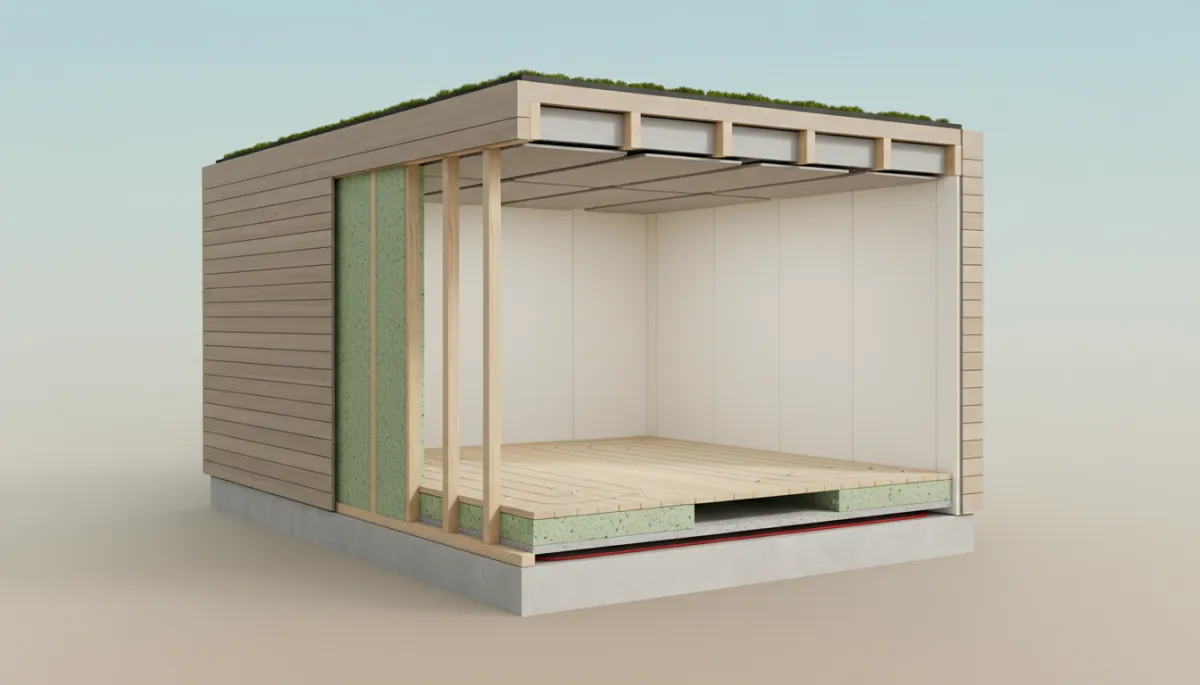
Good insulation reduces heat loss, making every form of heating more efficient.
Comparing Popular Heat Solutions for Garden Offices
Once the building envelope is sorted, you can focus on how to warm the space. There’s no one‑size‑fits‑all answer; the best option depends on your budget, how often you use the office, and whether you want instant heat, gentle background warmth, or a mix of both. Below are the most popular heat solutions for garden offices and what they’re like to live with day to day.
1. Electric Panel Heaters and Radiators
Electric panel heaters and modern electric radiators are among the simplest and most popular options. They’re easy to install, require no pipework and can be wall‑mounted to save floor space. Many models include programmable thermostats and timers, helping you fine‑tune your garden office heating schedule around your working day.
Pros: Quick to install, low maintenance, controllable, ideal for well‑insulated spaces.
Cons: Running costs depend on electricity prices; choose efficient models with thermostats to keep bills sensible.
2. Electric Underfloor Heating
If the idea of warm toes on a winter morning appeals, electric underfloor heating is worth considering. It turns the entire floor into a gentle heat source, creating an even, comfortable warmth that’s especially pleasant if you spend long hours at a desk. It works brilliantly with good floor insulation and is usually easiest to install during the initial build of your garden room.
Underfloor heating is particularly good for maintaining steady workspace comfort rather than blasting the room with very hot air. Pair it with a programmable thermostat so you can pre‑warm the office before you start work and avoid that early‑morning chill.
3. Air‑Conditioning Units with Heat Pump Function
Many modern wall‑mounted air‑conditioning units can both cool and heat a room. In heating mode, they act as air‑source heat pumps, drawing warmth from outside air and transferring it indoors. They’re highly efficient, providing plenty of heat for relatively low running costs, particularly in well‑insulated garden rooms.
Pros: Heats and cools, excellent efficiency, fast warm‑up, great for all‑year use.
Cons: Higher upfront cost, needs professional installation and an outdoor unit.
4. Portable Electric Heaters
For occasional use or as a top‑up to another system, portable heaters can be handy. Oil‑filled radiators offer steady, gentle warmth, while convector or fan heaters provide quick bursts of heat. They’re best used thoughtfully, as they can be less efficient if relied on as your only heat source throughout winter.
⚠️ Safety reminder: Always keep portable heaters clear of papers, fabrics and furniture, and never leave them running unattended.
5. Infrared Panels
Infrared heaters work differently from traditional convectors. Instead of just warming the air, they gently heat objects and surfaces in their line of sight, including you. This can feel pleasantly similar to sitting in the sun and can be an efficient way to heat a compact workspace, especially if you only use part of the room at a time.
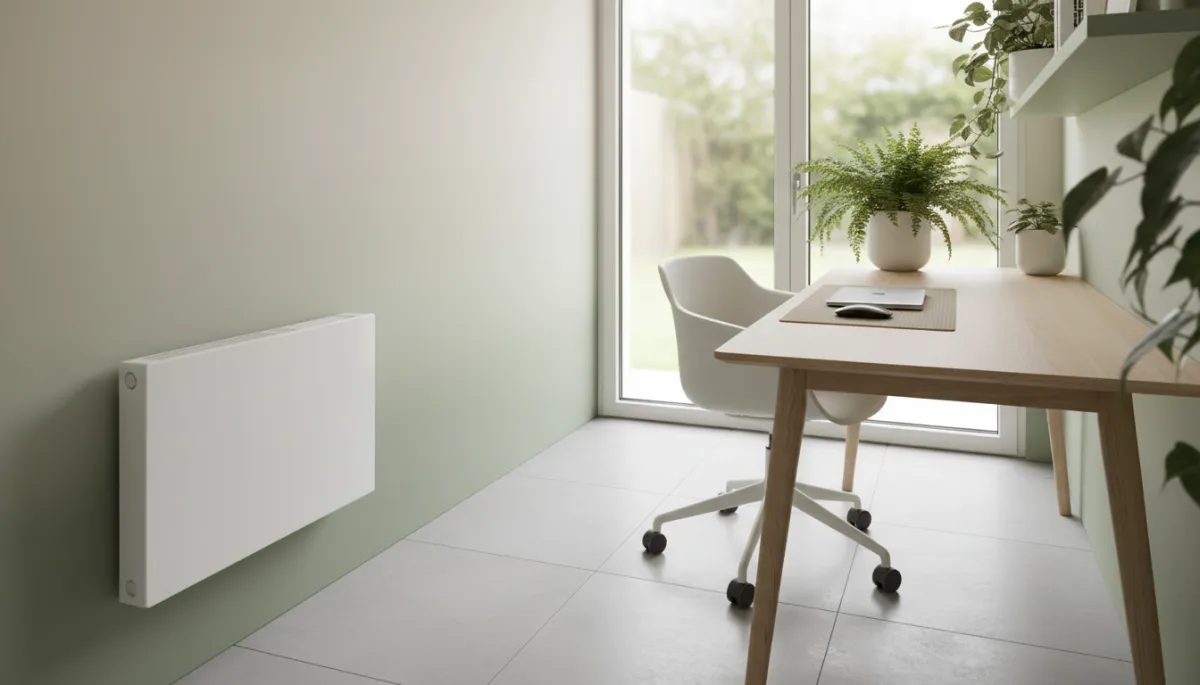
Slimline electric heaters free up floor space while keeping the office cosy.
Designing for Everyday Workspace Comfort
Heating isn’t just about equipment; it’s about how the space feels to use. A truly comfortable garden office balances temperature, air quality, and the way warmth is distributed around the room. A few thoughtful design choices can transform the way you experience your workspace day to day.
Positioning Your Desk and Furniture
Try to avoid placing your desk directly next to a cold window or right in front of a heater. Sitting too close to a heat source can leave your face warm but your feet cold, or create hot and cold patches that never feel quite right. Instead:
Place your desk where you benefit from natural light but are shielded from draughts.
Keep heaters unobstructed so warm air can circulate freely around the room.
Use rugs or a cosy mat under your chair to reduce that “cold feet” feeling on winter mornings.
Balancing Warmth and Fresh Air
It’s tempting to keep your garden office sealed tight when it’s cold, but a stuffy room can leave you feeling sluggish. Aim for a balance: keep the space warm, but open a window briefly or use trickle vents to allow a gentle flow of fresh air. This helps prevent condensation and keeps your mind feeling clear and alert.
💡 Comfort hack: Try airing the room for five minutes every couple of hours. A short burst of fresh air won’t undo all your heating but can make the space feel brighter and more energising.
Smart Controls: Make Your Heating Work Around You
One of the simplest ways to improve workspace comfort and keep costs under control is to use smart controls. Many modern heaters, radiators and air‑conditioning units can be controlled via apps, smart thermostats or simple programmable timers. This allows you to warm the office just before you step in, rather than leaving the heating on all day or arriving to a freezing desk.
Set schedules: Match your heating to your working hours so you’re not paying to heat an empty room.
Use frost protection modes: In very cold weather, a low background setting can protect the building and contents without overheating.
Fine‑tune temperatures: Small adjustments of just 1°C can make a noticeable difference to comfort and energy use.
Extra Insulation Tips to Keep the Warmth In
Even if your garden room is well built, a few simple touches can help you hold onto more heat and make your chosen heat solutions work harder for you. Think of these as the finishing touches to your insulation tips toolkit.
Thermal curtains or blinds: Thick, lined window dressings help reduce heat loss through glazing, especially at night. Close them at the end of the working day to trap warmth inside.
Seal tiny gaps: Use draught excluders at the base of doors and sealant around any visible gaps in skirting boards or window frames. Even small draughts can make a warm room feel chilly.
Layer your flooring: If your garden office has laminate or vinyl flooring, add a rug beneath your desk area. It’s a simple, inexpensive way to boost workspace comfort.
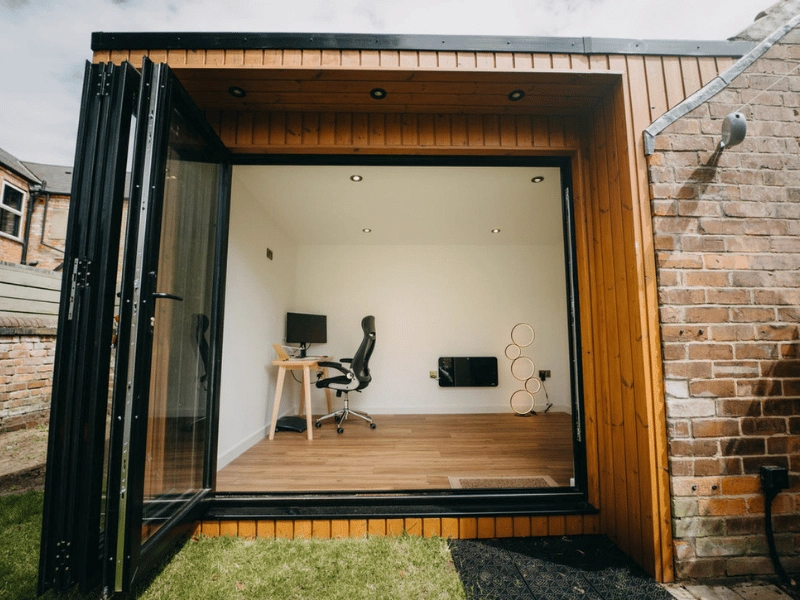
Soft furnishings add insulation as well as a warm, inviting feel.
Planning a New Garden Office? Build Heating In from the Start
If you’re still in the dreaming and planning stage, you’re in the perfect position to design heating and insulation into your garden office from day one. This usually works out more cost‑effective than retrofitting later and gives you a space that feels “just right” in every season from the moment you move in.
Thoughtful designers will help you consider orientation (to make the most of natural light), insulation levels, glazing choices and the best type of garden office heating for how you plan to use the space. A local specialist such as NG2 Garden Studio Co. can guide you through these decisions, making sure your new workspace is both beautiful and practical. Not just in summer, but on frosty winter mornings too.
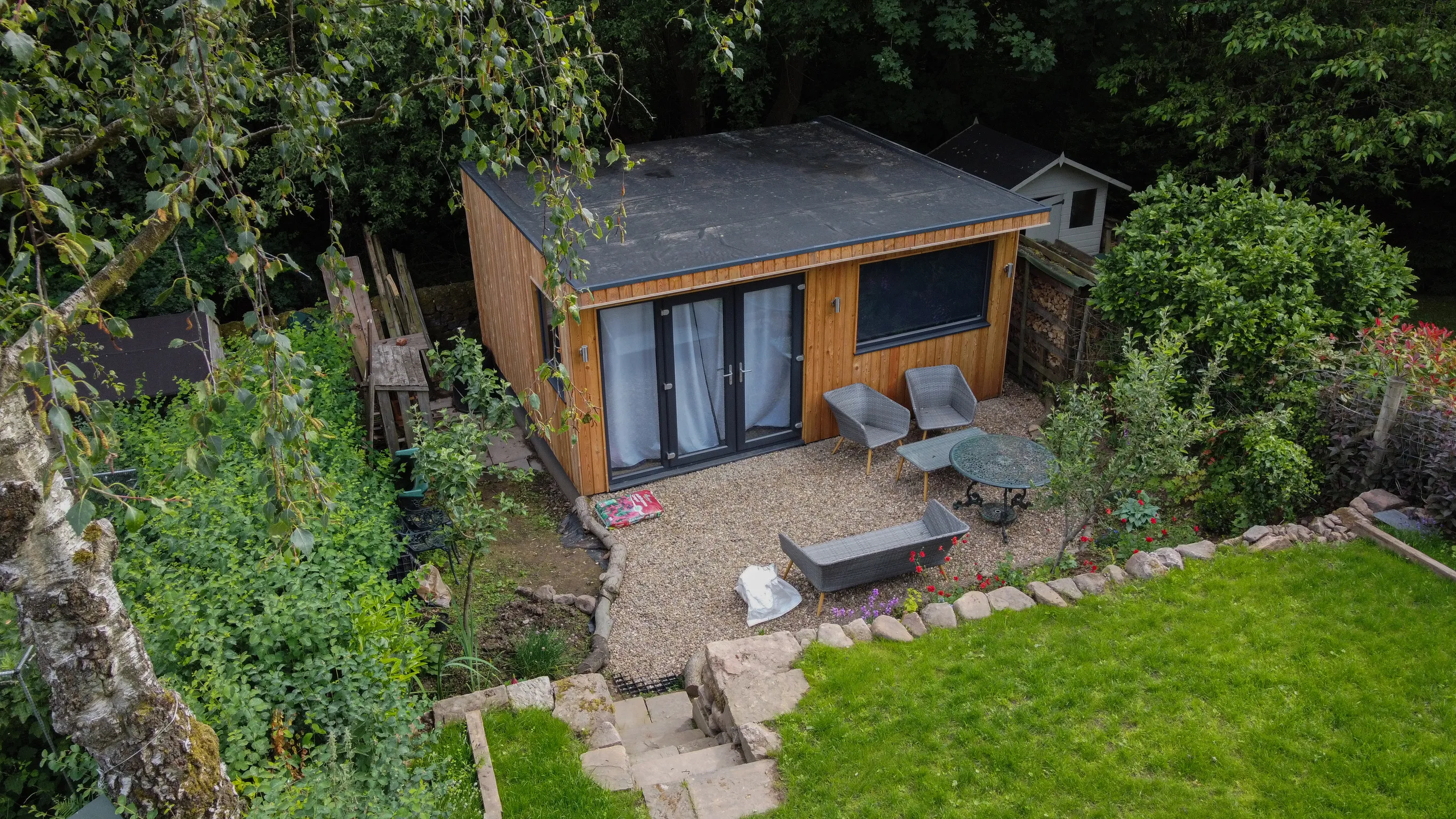
Planning heating and insulation early creates a garden office you’ll love year‑round.
Bringing It All Together: A Warm, Welcoming Garden Workspace
Creating a cosy garden office isn’t about choosing the biggest heater you can find; it’s about combining sensible insulation tips, efficient heat solutions and thoughtful design. Start by making sure the building itself is well insulated and free from draughts. Then choose a heating system that suits how you work – whether that’s the gentle luxury of underfloor heating, the flexibility of electric radiators, or the year‑round versatility of an air‑conditioning unit with heat pump.
Add in smart controls, soft furnishings, and a layout that supports good workspace comfort, and your garden office can quickly become the cosiest room you “commute” to. With the right approach, you’ll no longer dread cold mornings; instead, you’ll look forward to stepping into a warm, calm space that helps you focus, create and get things done.
If you’re considering a new garden room or upgrading an existing one, it’s worth chatting to a dedicated garden studio expert such as NG2 Garden Studio Co. They understand how insulation, glazing, layout and heating all work together and can help you design a space that feels comfortable, efficient and tailored to the way you live and work.
Ready to Create a Garden Office You’ll Love in Every Season?
Your garden office should feel like a natural extension of your home. Warm, inviting and inspiring, even when there’s frost on the lawn. Whether you’re exploring different heat solutions, looking for practical insulation tips, or starting from scratch with a brand‑new build, taking a little time to plan your garden office heating will pay you back in comfort every single day.
If you’d like expert guidance on designing a garden workspace that stays cosy all year round, reach out to NG2 Garden Studio Co. to discuss your ideas. From insulation and layout to heating and finishes, they can help you turn your garden office into a warm, calm and beautifully practical place to work, whatever the weather is doing outside.
[Read Next]
Can You Sleep in a Garden Room?
[Find Out]
[Learn More]