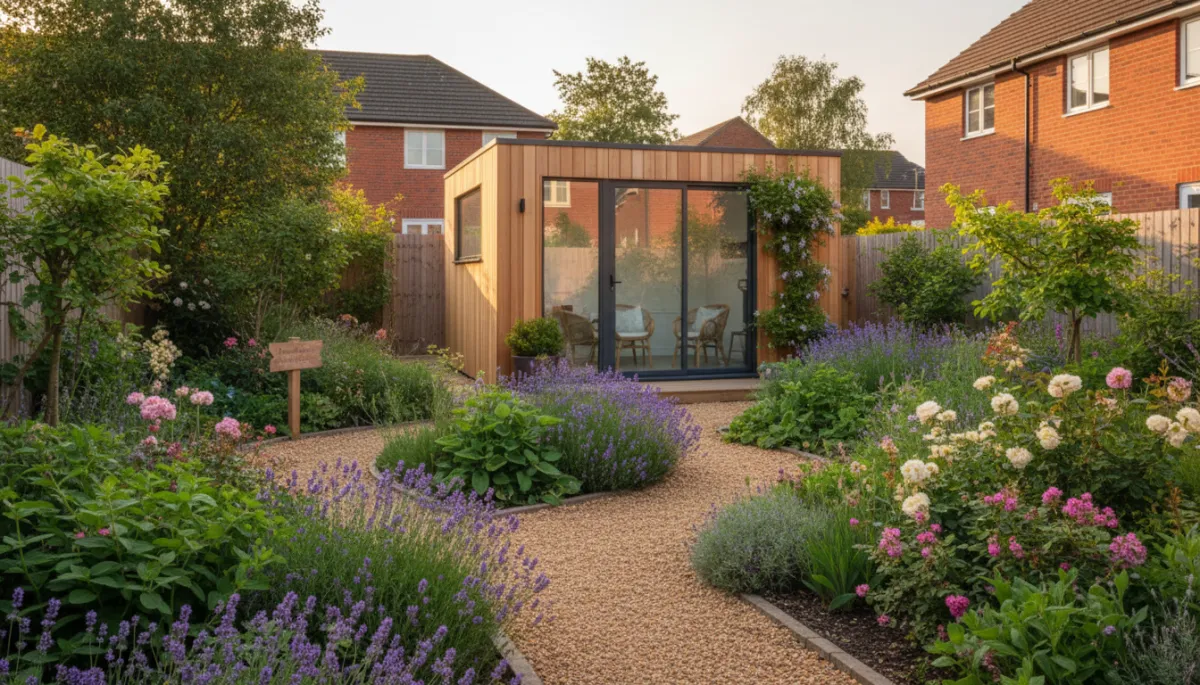
Small Garden Ideas for Nottingham Homes
Gardening, Nottingham Gardens, Small Garden Ideas
Friendly Ideas for Small Nottingham Gardens: Make the Most of Every Metre
Small Nottingham gardens can be surprisingly versatile. Whether you are working with a Victorian terrace garden in West Bridgford, a compact townhouse plot or a smaller suburban garden, thoughtful planning can make every metre work harder.
The key is not necessarily to squeeze more into the space. It is to decide how you want to use it, then choose the right combination of layout, planting, seating, storage and materials.
In this guide, we will look at practical small garden ideas, ways to make narrow or compact gardens feel more spacious, planting choices for different conditions, and garden design tips that work particularly well for Nottingham homes.
Why Small Nottingham Gardens Deserve Big Ideas
Nottingham has a mix of Victorian terraces, townhouses, suburban properties and newer developments, many of which have relatively compact gardens.
A smaller garden can actually have some advantages. There is less area to maintain, it is easier to create a clear sense of purpose, and a well planned layout can make even a modest space feel welcoming and considered.
Some of the benefits of a smaller garden include:
Less maintenance: Less lawn and fewer large borders can mean more time enjoying the garden.
More focused landscaping: A carefully chosen paving, planting and seating scheme can have a big impact without needing a huge budget.
A naturally cosy feel: Thoughtful planting, screening and lighting can turn a compact garden into a private retreat.
Nottingham gardens also vary considerably in their conditions. Some areas have heavier clay soils, while others have lighter or more free draining ground. It is therefore worth understanding your particular plot before deciding on plants or landscaping materials.
Start with a Vision: How Do You Want to Use Your Garden?
Before you start buying plants or choosing paving, think about how you would genuinely like to use the garden.
Good garden design starts with lifestyle rather than appearance alone. Ask yourself:
Do you want a quiet reading spot with a comfortable chair?
Would you use a dining area for summer meals and evening drinks?
Do you need somewhere for children to play?
Does your garden need to be dog friendly and easy to clean?
Would additional storage make everyday life easier?
Could a garden room provide a dedicated home office, studio, gym or hobby space?
Friendly Tip: Make a simple wish list and sketch your garden roughly on paper. It does not need to be artistic. The exercise simply helps you decide what matters most before you start making changes.
Small Garden Ideas That Make a Big Difference
1. Think Vertically: Use Your Walls and Fences
When floor space is limited, look upwards.
Vertical planting can be one of the simplest ways to add greenery without taking valuable space away from seating or circulation areas.
You could:
Use slim shelves or ladder style plant stands for herbs and smaller pots.
Train climbers such as clematis, climbing roses or suitable jasmine varieties up trellis.
Use wall mounted planters for herbs, salad leaves or strawberries.
Add a simple trellis or planted screen where you need additional privacy.
The important thing is not to cover every available surface. A few well placed vertical elements can have more impact than filling the garden with pots.
2. Give Every Feature a Purpose
In a compact garden, each element should earn its space.
When landscaping small spaces, look for opportunities for features to perform more than one function.
For example:
A built in bench can provide seating while incorporating hidden storage.
A raised bed can create a defined planting area and help introduce different levels.
A boundary seat can make use of an otherwise overlooked edge of the garden.
A compact garden room can provide a dedicated office, studio, gym or hobby space.
The best small gardens are not necessarily those with the fewest features. They are the ones where every feature has been considered carefully.
3. Create the Feeling of More Space with Layout
One of the most useful garden design tips for a compact plot is to think carefully about how the eye moves through the garden.
Rather than automatically placing everything around the perimeter, consider how paths, planting and seating can create a sense of movement.
For example:
A diagonal path can break up the corridor effect of a long, narrow garden.
A change in paving direction can create distinct areas without needing walls or screens.
A small change in level can create a destination at the far end of the garden.
Curved or partially concealed planting can encourage you to explore the space rather than seeing everything at once.
Friendly Tip: Make your main paths comfortable for everyday use. Think about how you will actually move through the garden, particularly if you will be carrying food, garden tools or furniture.
4. Keep Materials Simple and Cohesive
Small gardens can quickly feel cluttered when too many different materials, colours and patterns are introduced.
A restrained palette usually creates a calmer and more spacious feeling.
You might choose:
One main paving material.
One consistent approach to fencing or boundary screening.
Timber for seating, decking or garden structures.
A limited planting palette with repeated colours and textures.
Natural materials and neutral tones can work particularly well with the traditional brickwork found on many Nottingham homes, while more contemporary materials can complement newer properties.
The aim is not to make everything match. It is to make the different elements feel as though they belong together.
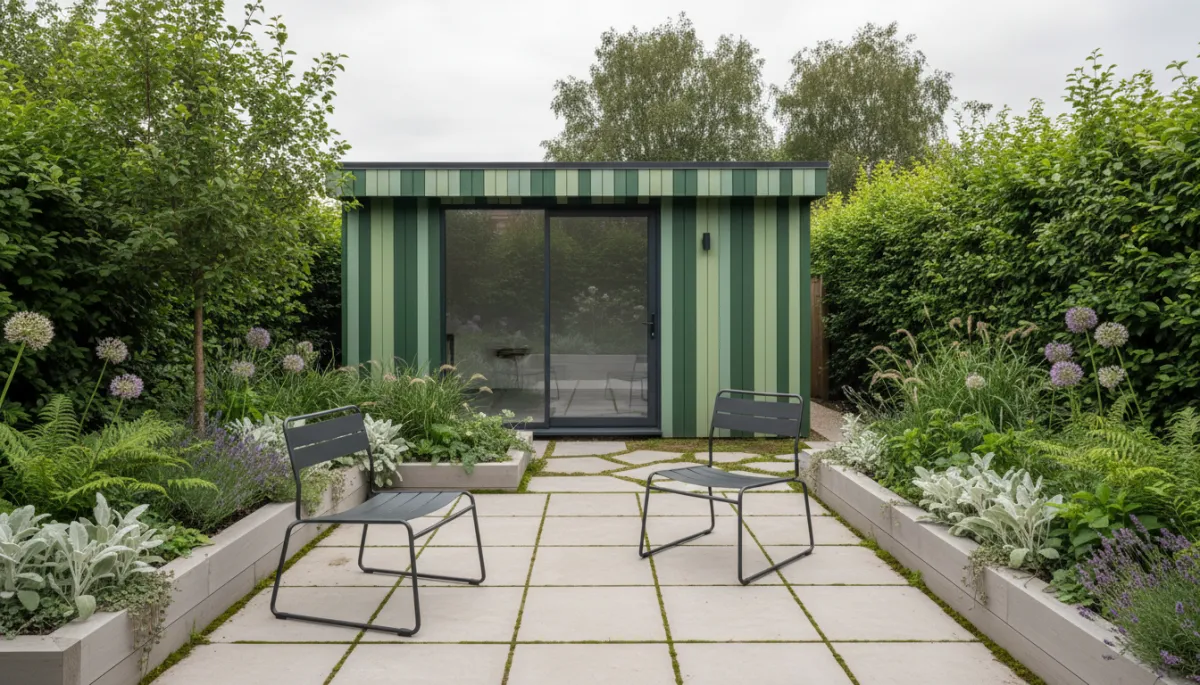
A simple, consistent material palette keeps compact gardens feeling calm and spacious.
Planting Ideas for Compact Nottingham Gardens
When space is limited, every plant needs to earn its place.
Rather than choosing plants simply because you like the look of them, consider:
How much sunlight the area receives.
Whether the soil is heavy or free draining.
How exposed the garden is to wind.
How much maintenance you are prepared to do.
Whether you want interest throughout the year.
1. Start with Structure
A small garden can look surprisingly bare during winter if all of its interest comes from summer flowers.
Evergreen planting can provide structure throughout the year.
Depending on the conditions, options could include:
Suitable compact pittosporum varieties.
Hebes.
Skimmia.
Holly cultivars.
Yew or other suitable evergreen forms where space allows.
Narrow trees can also add height without requiring a large footprint. Options such as Amelanchier, suitable crab apples or columnar fruit trees can provide blossom, foliage and seasonal interest.
For very small gardens, it is important to consider the plant's eventual size rather than simply how large it looks when you buy it.
2. Layer Your Planting
Layering is a simple way to create depth.
You can combine taller plants towards the back or boundary, mid height planting through the middle and lower plants around the edges.
For example:
Tall, airy plants such as Verbena bonariensis or suitable ornamental grasses can add movement.
Mid height plants such as salvias, hardy geraniums and rudbeckias can provide colour.
Lower growing plants can soften the edges of paving and paths.
Repeating a small number of plants throughout the garden often creates a more cohesive look than using lots of unrelated species.
3. Work with Light and Shade
Do not assume every part of a small garden receives the same amount of sunlight.
Walls, neighbouring buildings, fences and mature trees can create surprisingly different conditions within a few metres.
For shadier areas, plants such as ferns, hostas and heucheras can work well where soil and moisture conditions suit them. Hydrangeas can also perform well in light or partial shade.
For sunnier positions, lavender, herbs and other sun loving perennials can add scent, colour and value for pollinators.
Friendly Tip: Spend a day noticing where sunlight falls at different times. Even better, check the garden across several days. Understanding your light levels before choosing plants can save a lot of frustration later.
Garden Rooms: Making a Small Garden Work Harder
A well designed garden room can be one of the most useful additions to a smaller garden.
It could provide a dedicated:
Reading space
Quiet retreat
The important thing is proportion.
A garden room should not simply be the biggest building you can fit into the available space. Its size, position, windows, access and relationship with the garden should all be considered together.
In a compact Nottingham garden, a well designed studio can become a natural focal point while still leaving enough room for planting, seating and circulation.
Think About the Garden Room as Part of the Whole Garden
Consider the following:
Proportion
Does the building feel appropriate for the size of the plot?
Light
Where will the windows face, and how much natural light will the room receive?
Privacy
Will the glazing overlook neighbouring gardens or properties?
Access
Can you reach the room comfortably throughout the year?
Connection
Can decking, paving or planting help integrate the building with the rest of the garden?
It is also worth checking planning requirements early. Whether a garden building falls within permitted development depends on factors including its size, height, position, intended use and the property itself. Listed buildings, conservation areas and properties subject to additional planning restrictions may require further consideration.
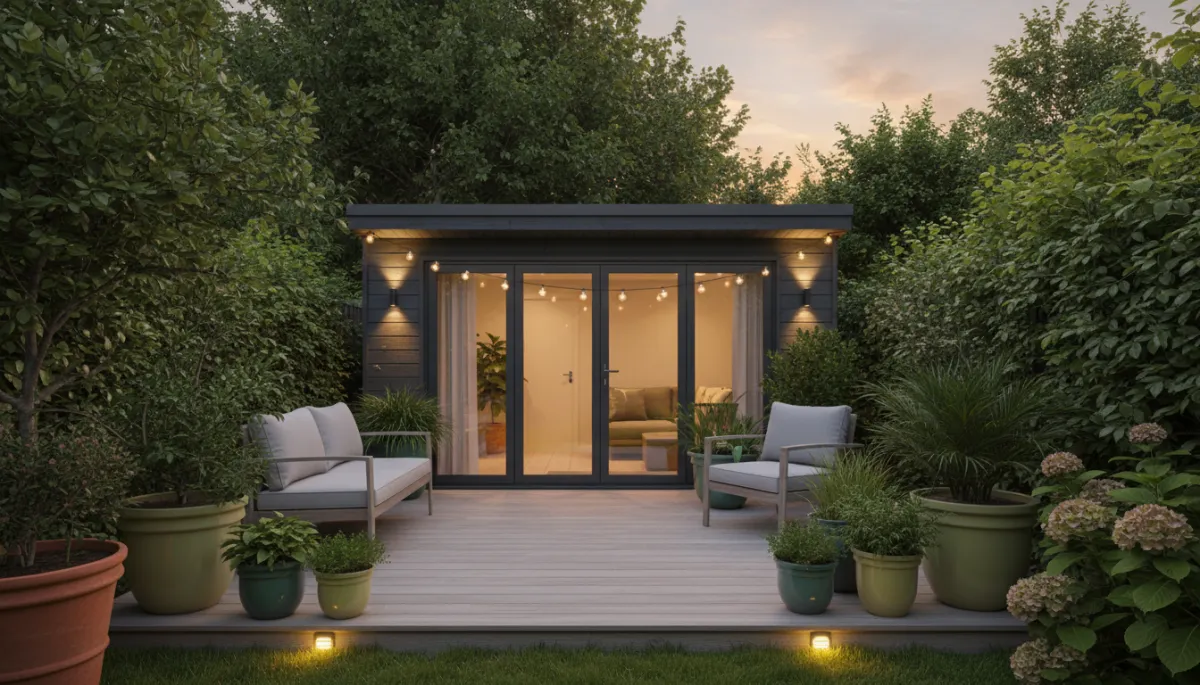
A carefully sized garden room adds valuable living space without overwhelming a compact plot.
Practical Garden Design Tips for Nottingham Homes
1. Tackle Drainage and Levels Early
Drainage is particularly important when landscaping a garden.
Some Nottingham area gardens have heavy clay soils, while other sites have different soil conditions, so do not assume the same solution will work everywhere.
Before installing a patio, lawn or planting scheme, consider:
How rainwater currently moves through the garden.
Whether water collects against the house.
Whether the existing ground slopes towards or away from buildings.
Whether the soil drains freely or remains wet after rainfall.
Patios should generally be designed with appropriate falls and drainage so water does not sit against the building.
Where appropriate, permeable surfaces such as gravel or permeable paving can help rainwater soak into the ground rather than contributing to surface runoff.
Raised beds can also provide deeper, better structured growing conditions on heavy ground, provided drainage is properly considered.
2. Plan Lighting from the Start
Garden lighting can transform a compact garden after dark.
Rather than relying on one bright floodlight, consider several softer sources:
Low level lighting along paths.
Discreet lighting to highlight trees or planting.
Wall lighting around seating areas.
Warm festoon or string lighting around a pergola or entertaining area.
The goal is to create layers of light rather than illuminate every corner.
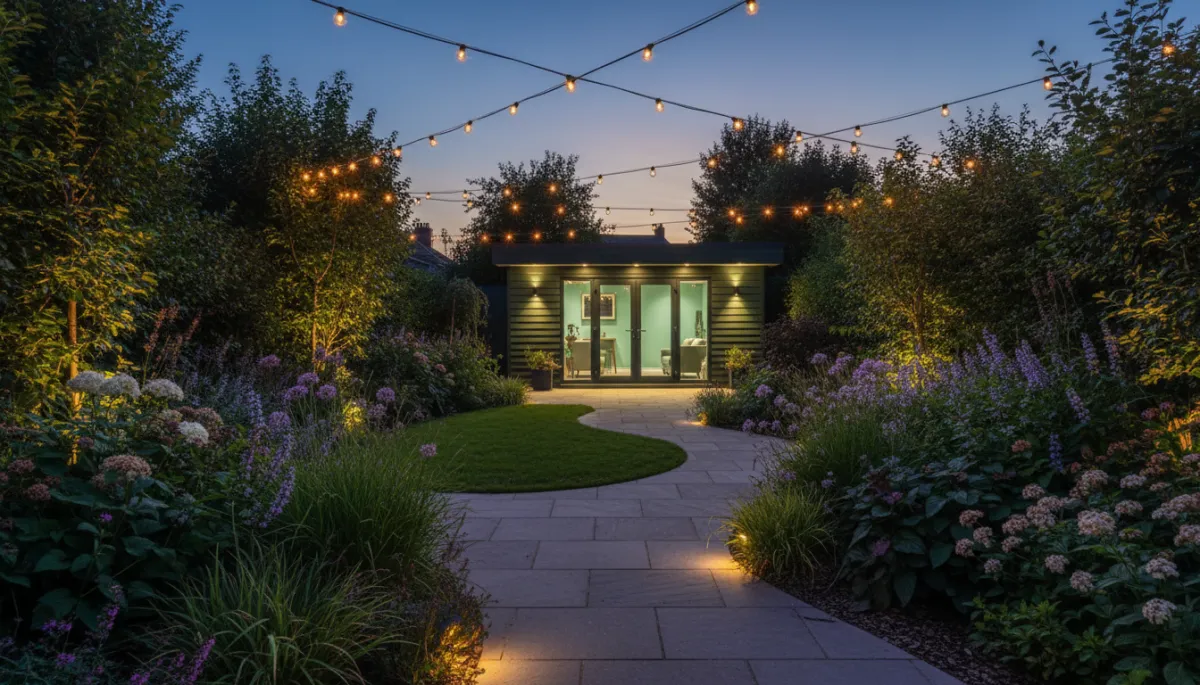
Gentle, layered lighting makes compact gardens feel welcoming long after sunset.
3. Be Honest About Maintenance
A beautiful garden that takes more time to maintain than you have available can quickly become a burden.
If you are looking for a lower maintenance garden, consider:
Long lived shrubs and perennials rather than large areas of seasonal bedding.
A smaller lawn if you enjoy having grass but want to reduce mowing.
Mulching planted areas to help suppress weeds and retain moisture.
Drip irrigation or soaker hoses where regular watering is difficult.
Hard landscaping that is practical and easy to keep clean.
A well designed garden does not necessarily mean a maintenance free garden. It means creating a space where the level of upkeep matches your lifestyle.
Working with Local Experts in West Bridgford and Beyond
If you are planning a compact garden transformation, professional advice can be particularly useful before you commit to materials, planting or structural work.
For homeowners in West Bridgford, Lady Bay, The Meadows and surrounding Nottingham areas, NG2 Garden Studio Co. provides garden room and landscaping services with a focus on considered design and quality construction.
A local team can help you think through practical details such as:
How to make the best use of a narrow or awkward plot.
Where to position seating and garden structures.
How to connect a garden room with the rest of the garden.
Which materials work with the existing house.
How to balance planting, privacy and usable space.
How to approach levels, access and drainage.
Whether you are considering a complete garden redesign or simply want to make better use of an overlooked corner, good planning can make a noticeable difference.
Bringing It All Together
Small gardens do not need to feel restrictive.
With the right layout, a compact garden can provide space for entertaining, relaxing, growing plants, working from home and enjoying time outdoors.
The key is to start with how you want to use the space and then make each decision support that purpose.
Remember to:
Start with function: Decide how you want to use the garden before choosing materials or plants.
Use space vertically: Walls, fences and trellis can provide planting and privacy without taking up much floor space.
Keep the design cohesive: Repeating materials, colours and plants can make a small space feel calmer.
Choose plants for the conditions: Consider light, soil, exposure and maintenance.
Think about the whole garden: A garden room, seating area, planting and pathways should work together rather than compete for space.
Plan practical details early: Drainage, access and lighting are much easier to incorporate before construction begins.
Ready to Transform Your Small Nottingham Garden?
You do not need a large plot to create a garden that feels useful, welcoming and personal.
Whether you are looking to redesign a compact terrace garden, create a low maintenance outdoor space or add a garden room to make better use of your available space, thoughtful design can make every metre count.
If you are based in West Bridgford, NG2 or the surrounding Nottingham area, NG2 Garden Studio Co. can help you explore the possibilities for your garden, from initial ideas and landscaping through to garden room design and construction.
Get in touch to discuss your garden and see what is possible.
[Read Next]
Garden Office vs Home Extension
[Find Out]
[Learn More]